The Futile Art of Ranking the Infinite
The Futile Art Of Ranking The Infinite
There’s something both nostalgic and slightly ridiculous about the way music magazines still cling to their old tradition of ranking things. Every few weeks, without fail, a headline appears in my inbox or social feed:
“The 100 Greatest Debut Albums of All Time”
“The 100 Best Live Albums Ever Made”
“The Top 100 Voices in Music History”
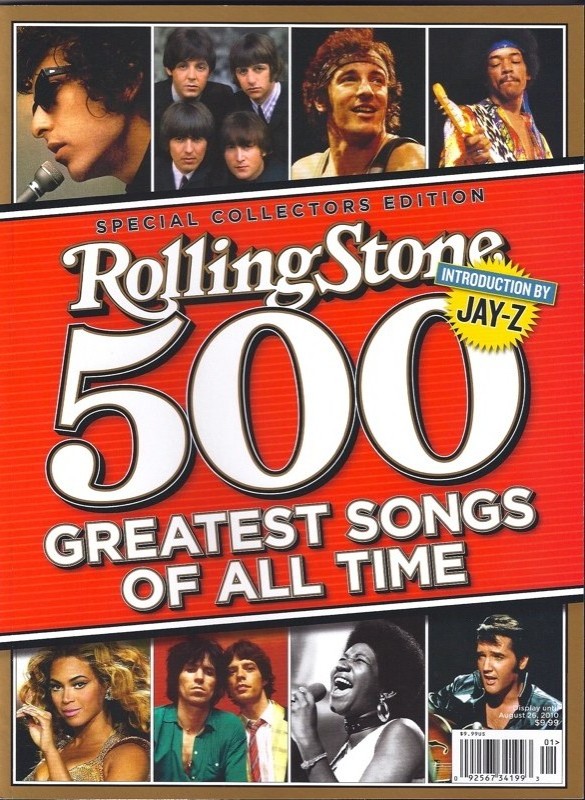
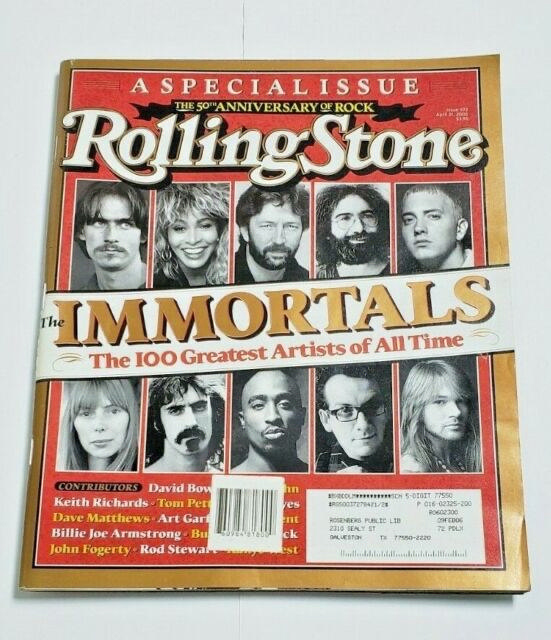
This week it came from Musikexpress. Last month it was Rolling Stone, yet again trying to rewrite what we all thought we knew about pop culture history. These “Best Of” lists used to be sacred texts. I remember cutting them out and taping them to my teenage bedroom wall. Now, I skim through them with a mix of curiosity, exasperation and deja vu. Because here’s the thing: they’ve become analogue algorithms.
A Map For The Lost
When you step back, it makes sense. The sheer volume of music released every day is overwhelming — Bandcamp, Spotify, Apple Music, YouTube, TikTok — a never-ending torrent. Faced with this ocean of noise, we instinctively look for a compass. A voice of authority that says, “Here. Start here. This is what matters.”
But trying to pin down “the best” in a medium as fluid and subjective as music feels more absurd than ever. It’s like trying to review the sky.
Yes, we can praise a certain cloud formation. Yes, we can agree that sunsets in October are something special. But to rank them from 1 to 100? Madness.
And yet we love it. Because it gives structure. Because it’s easier to consume a ranked list than to experience music on its own, unfiltered terms.
The Mirage Of Authority
Let’s call it what it is: an illusion of control.
Music magazines used to have real influence. They were cultural gatekeepers. What Rolling Stone or New Musical Express (NME) endorsed had weight — it could launch careers or revive forgotten ones. But in the streaming era, that monopoly is long gone. No editor in a Berlin or New York office can compete with the personalisation power of Spotify’s machine learning.
So what do they do? They mimic the algorithm.
They offer their version of the “Discover Weekly” playlist, only retrofitted with authority and opinion. A manual curation of culture in listicle form.
The problem? The world has moved on. Taste has fragmented. The monoculture is dead. There is no consensus anymore.
Subjectivity In Disguise
Of course, these lists pretend to be democratic. A jury of critics. A reader’s poll. Some weighted scoring system that includes historical significance, technical merit, cultural impact.
But it’s still just a group of mostly white, mostly male, mostly Western editors sitting around trying to make sense of their own musical upbringings. The same canonical favourites float to the top: Dylan, Beatles, Bowie, Aretha, Radiohead, Nirvana, Kendrick, Joni.
It’s comforting, but also lazy.
Where are the best debut albums from São Paulo or Lagos? What about all the game-changing mixtapes that never got an official release? The brilliant live albums recorded on phones and uploaded to SoundCloud? There’s a whole world missing from these lists — because these lists weren’t built to include it.
The Infinite Scroll Vs. The Finite List
Let’s be fair: these rankings aren’t entirely useless.
They’re starting points. They can spark discovery. They might introduce a 17-year-old to Big Star or Billie Holiday or the first Suicide record. That’s a win.
But as definitive statements, they’re doomed. You can’t rank the infinite.
Streaming platforms don’t try to rank. They learn. They respond. Your taste evolves, and so does your algorithm. Music magazines, on the other hand, are still trying to empty the ocean with a leaky bucket.
It’s a beautiful, hopeless gesture.
So Why Do We Keep Reading?
Because we’re not just looking for information. We’re looking for reassurance. These lists are part of a larger psychological dance. We want to know that our taste is valid. That our favourites are recognised. That our first concert still matters. That the records we grew up with haven’t been forgotten.
Reading these lists is like opening an old photo album. You don’t really expect surprises. You just want to feel seen.
A Game of Inclusion and Exclusion
Let’s not ignore the fact that these lists are also political. Who gets included is always a reflection of editorial values — what’s cool right now, who’s just died, which anniversaries are coming up.
Suddenly, Kate Bush is back in the Top 10 of everything. A few years ago it was Prince. Before that, it was Bowie.
This isn’t history. It’s fashion. It’s marketing disguised as consensus.
A Collector’s Paradox
I collect records. I love categorising them. I love the thrill of finding a forgotten masterpiece and filing it under some obscure genre tag like “post-industrial ethno-funk” or “Japanese ambient 1983–1989.” I understand the impulse to organise.
But the best records are the ones that resist it. They don’t sit neatly in a ranking. They slip between eras, moods, and meanings. They become personal.
When I say “best,” I mean something very different than what Musikexpress means. Or Spotify. Or my 25-year-old nephew.
Maybe the real question isn’t what the best album is, but why we keep trying to name it at all.
Final Thoughts: Listen Differently
If you want to use these lists, treat them like a spice rack. Don’t follow the recipe too closely. Mix things up. Add your own flavour. Skip entries. Disagree loudly. That’s where the fun begins.
And maybe next time you see “The 100 Best Anything,” ask yourself: who decided? What’s missing? What do you love that would never make the cut?
That’s where your list begins. And it’s probably better than theirs.
Further reading and sources:
1. Kelefa Sanneh – Major Labels: A History of Popular Music in Seven Genres
It's a fresh, personal look at how genre categories influence how we understand music – and why these categories keep on around. You can get it on Amazon and other sites.
2. David Hesmondhalgh – Why Music Matters
This book looks at the role of music in our lives and the effect it has on society and politics in today's world. Hesmondhalgh has such a lovely way of talking about music and society. He's got a broad but sophisticated approach, and he's got a really interesting take on how music relates to power and inequalities. You can get it on Amazon and other sites.
3. Liz Pelly – The Problem with Muzak (The Baffler)
A look at how music platforms with algorithms are pushing for uniformity and losing out on musical variety. Read the essay.
4. Mark Fisher – Ghosts of My Life: Writings on Depression, Hauntology and Lost Futures
It's not a direct look at music lists, but Fisher's ideas about nostalgia and lost cultural futures really hit the spot when it comes to the whole canonising the past thing. You can get it on Amazon and other sites.
5. Ted Gioia – Music: A Subversive History
It's a broad history of music as a disruptive force. Gioia often says that institutional narratives tend to make music seem much more mainstream than it actually is. You can get it on Amazon and other sites.
6. Rolling Stone – “The 500 Greatest Albums of All Time” (2020 edition)
A good example of modern canonisation — newly revised to reflect a more diverse perspective, but still rooted in legacy logic. View full list.
7. Tidal, Spotify, Apple Music – Algorithm-Driven Playlists (e.g., Discover Weekly, Essentials, etc.)
While not traditional “reading,” analysing these in comparison with printed “Best Of” lists supports this blog post's central analogy.
8. Carl Wilson – Let’s Talk About Love: A Journey to the End of Taste
It's a great read for anyone interested in philosophy or musicology, and it'll get you thinking about personal taste, snobbery and the whole idea of judging "good" music versus "bad" music. You can get it on Amazon and other sites.